Table of contents
Choosing the right equipment for water sports can transform any aquatic adventure from ordinary to unforgettable. With so many options available, selecting suitable gear is key for safety, performance, and pure enjoyment on the water. Dive into the following paragraphs for expert advice on matching each sport with the optimal equipment.
Understanding sport-specific requirements
Each water sport—whether kayaking, surfing, paddleboarding, or snorkeling—requires sport-specific gear that matches the exact needs of the activity and the surrounding environment. For instance, choosing gear for kayaking often centers on hull shape and paddle type, which are influenced by whether the participant will be navigating calm lakes or challenging river rapids. Surfing gear advice also highlights differences in board size and thickness depending on wave height and rider skill level. Paddleboarding essentials focus on board stability and leash selection, particularly for those venturing into ocean waters compared to tranquil bays. The type of water plays a pivotal role in determining water sport equipment, as does the experience of the participant—beginners may need more buoyant or stable options, while advanced users can opt for performance-oriented designs. The typical duration of the activity further shapes decisions, as extended outings might call for added storage features or comfort enhancements.
Hydrodynamics is a technical aspect that cannot be overlooked when assessing sport-specific gear. Equipment designed with optimal hydrodynamics reduces drag and increases efficiency, which is vital in activities like kayaking and paddleboarding where smooth, streamlined movement through water directly affects performance and fatigue. Surfboards and paddleboards are shaped to maximize maneuverability in various conditions, while snorkeling fins and masks are crafted to minimize resistance during exploration. Considering hydrodynamics ensures that water sport equipment is not only suitable for the environment but also enhances safety and enjoyment by facilitating easier motion through water.
When selecting sport-specific gear, referencing guidelines established by leading professionals recognized for setting equipment standards in aquatic sports provides assurance of quality and functionality. Their expertise in recommending choices for kayaking, surfing, and paddleboarding helps ensure that the selected items offer the right balance of comfort, durability, and performance. Accurate advice on water sport equipment selection enables enthusiasts to match their gear to the specific demands of their chosen activity, maximizing both safety and the overall experience on the water.
Materials and durability factors
Material selection is a decisive aspect in ensuring durable water gear and maintaining high levels of water sports safety. Neoprene wetsuits, favored for their flexibility and thermal protection, are specifically engineered to withstand repeated exposure to cold and abrasion, making them one of the best materials for water sports like surfing, diving, and kiteboarding. Polycarbonate, often found in goggles and helmets, offers significant impact resistance and optical clarity, while fiberglass is widely used in kayak, canoe, and board construction for its lightweight strength and durability. Material tensile strength, which measures a material's resistance to breaking under tension, is particularly relevant when assessing gear longevity in harsh aquatic environments. Higher tensile strength directly translates to longer-lasting protection and comfort, providing peace of mind during intense water activities. For those seeking gear tailored to different aquatic disciplines, try this website for a comprehensive selection that prioritizes quality and safety standards.
Ensuring proper fit and sizing
Selecting the correct size and fit for water sports equipment stands as the most essential aspect of safety and comfort. Whether using a life vest, wetsuit, or fins, the right fit not only prevents accidents but also maximizes performance by supporting natural body movement. Fitting water sport gear requires attention to ergonomic water equipment principles, which leading experts in water sports ergonomics and human biomechanics continuously emphasize. For example, a life vest should fit snugly without restricting breathing or arm movement; loose vests can ride up in the water, while overly tight ones may cause discomfort or even limit circulation. Life vest fit tips from professionals suggest always adjusting all straps and testing fit by raising arms overhead, ensuring the vest does not shift excessively.
When it comes to wetsuits, referencing a reputable wetsuit sizing guide is key. A common error is choosing a wetsuit based solely on height or weight rather than consulting comprehensive manufacturer charts that also consider chest, waist, and hip measurements. A wetsuit should feel like a second skin—tight enough to minimize water flow, yet not so restrictive that it hinders movement or causes chafing. Experts in ergonomics advise checking for excess material under arms or behind knees, as these signal a poor fit and decreased hydrodynamics.
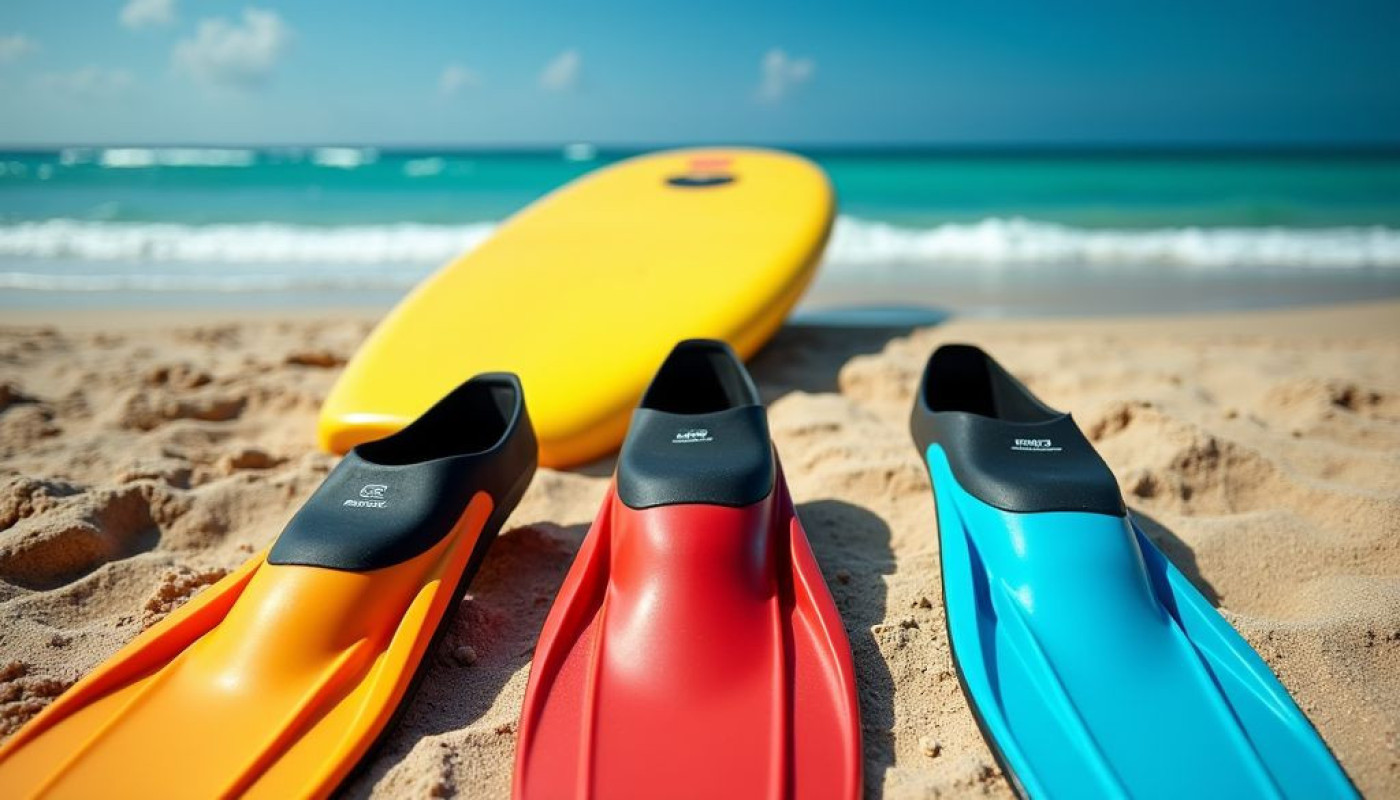
Choosing fins also demands careful consideration of both foot size and shape. Ill-fitting fins can cause blisters, cramping, or inefficient propulsion. The most ergonomic water equipment will offer adjustable straps and foot pockets designed to fit securely without pinching. Leading specialists recommend trying on fins with the same socks or booties intended for use, as thickness can affect overall fit, and ensuring fins stay snug during kicking motions without causing pressure points.
A failure to adhere to expert guidance in these areas often results in discomfort, reduced efficiency, or even safety hazards during water sports activities. By consulting resources such as a wetsuit sizing guide and following life vest fit tips, as well as prioritizing ergonomic water equipment when choosing fins, enthusiasts can enjoy both safety and peak performance. The responsibility for promoting awareness and best practices lies with the foremost authorities in water sports ergonomics and human biomechanics, who continually advance standards for optimal gear fitting.
Adapting gear to different climates
Selecting the appropriate cold water gear or hot weather water gear requires a thorough understanding of how environmental factors such as water temperature, sun exposure, and weather conditions affect performance and safety. In colder climates or during winter months, thermal wetsuits provide vital insulation and facilitate thermal regulation, preventing hypothermia and allowing you to maintain comfort over extended periods in chilly waters. Conversely, when engaging in water sports in tropical or sun-intense regions, the priority shifts to UV protection for water sports. Climate-specific equipment like rash guards with high UPF ratings, ventilated life vests, and breathable fabrics help reduce the risk of sunburn and heat exhaustion. Adapting gear to diverse climates is not only about comfort but also about personal safety, as improper choices can lead to overheating, dehydration, or dangerous drops in body temperature. The recognized authority in aquatic environmental adaptation, such as the International Life Saving Federation, consistently emphasizes the necessity of choosing gear that matches both the temperature and exposure risks of your location.
Prioritizing safety and regulatory standards
When selecting gear for different aquatic activities, adhering to water sports safety standards should take precedence, as this ensures both personal protection and legal compliance. Choosing certified water gear guarantees that equipment has undergone rigorous testing and meets established benchmarks set by international organizations and local authorities. Safety gear regulations vary by region and type of activity, so always verify that your helmet, life jacket, or other protective elements feature the necessary water sport certifications before use. A crucial technical term to understand is impact resistance—the capacity of equipment, such as impact-resistant helmets and buoyancy aids, to absorb and dissipate force during collisions or falls. This feature minimizes the risk of head trauma or bodily injury during unexpected incidents on or near the water. Trusting the guidance of a water sports safety compliance expert ensures that all chosen gear meets these high standards, promoting a safer and more enjoyable experience while fully respecting local safety requirements.
On the same subject

The Evolution Of Sports Betting: A Look At Its History And Future

Unlocking the Secrets of Successful Sports Recovery
